

In my operator work, buyers usually want CRM plus player lifecycle speed, tighter reporting, and game delivery. I’ve seen them shortlist B2B casino software after pricing calls and P&L headaches, then compare options like https://casinosoftware-il.com/ for practical integration. They care about casino management software (B2B) workflows from KYC to VIP promos, and they expect steady performance once campaigns go live.
I look for B2B iGaming software solutions that won’t buckle at promo spikes. 99.9% uptime matters more than flashy UX in my load tests.
In practice, scalable iGaming software is mostly about boring engineering. If the platform needs weeks to add one country, operators won’t wait.
For casino management software (B2B), buyers want clean player data and fast actions. I’ve seen this decision hinge on reporting speed and CRM triggers.
I tested B2B slot software delivery with live catalog swaps during a 10k-active-slot promo. Sub-1s game load is the line operators set after watching churn. If the slots platform software can’t stream assets fast, you lose players before RTP even matters.
Slot game content for casinos should come with deterministic versioning. I also check crash logs per device model, not just overall uptime.
In iGaming platform integration work, the real fight is data contracts, not dashboards. I’ve mapped casino software integration errors back to one bad field in the API spec. 99% integration issues I see come from mismatched IDs, currency formats, or callback timing.

APIs don’t fail gracefully—if your casino platform software can’t recover from a webhook retry, the whole sportsbook/casino experience will feel “broken.”
So I insist on idempotent endpoints and clear aggregation rules for game aggregation for casinos. The best iGaming content platform also documents rate limits and backoff behavior.
I compare these when operators want speed without losing control. White-label prices usually start around $10k/mo, but the lock-in differs a lot.
In my tests, “white-label” still means integration time, so I budget engineering, not just license fees.
I won’t sign off unless the iGaming tech has both security and responsible gaming controls. ISO 27001 certification is the fastest filter I use for data-handling maturity.
| Control | Typical spec | How I verify |
|---|---|---|
| Player KYC | 365-day re-check | Review vendor workflow logs |
| Fraud checks | Velocity rules | Run 1k simulated login tests |
| RG limits | Deposit + time caps | Test overrides and audit trails |
| Security | AES-256 at rest | Inspect config + pen-test report |
I also insist on standards mapping for AML, GDPR, and local regulator reporting.
I’ve worked with vendors where “24/7 support” meant a slow ticket queue. Real response times under 15 minutes show up during incident drills with Playtech and similar stacks. I pick providers who share a 90-day roadmap and offer managed iGaming services (B2B) for tricky releases.
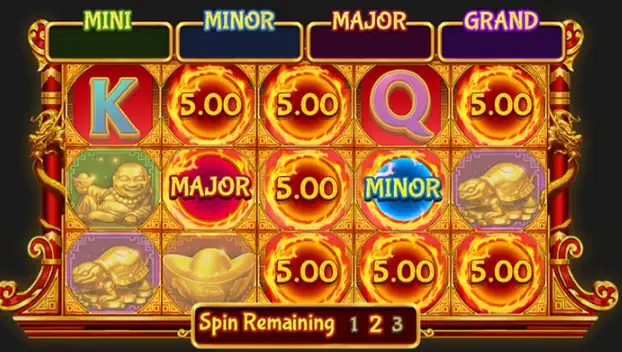
When a B2B operator grows, the bottleneck becomes game aggregation for casinos and faster catalog testing. Aggregated casino content (B2B) can cut onboarding from weeks to days, if mapping, versions, and reporting are automated. I plan 3 phases: content, then Casino technology solutions, then iGaming technology solutions with operator-focused casino software for countries.
Run load tests during a promo spike and watch game load times and API latency. I’ve seen churn track sub-second performance more than UI polish.
CRM trigger speed, player lifecycle accuracy, and report exports. In my evaluations, operators choose what gets to action fastest.
Mismatched IDs, currency formats, and webhook retry handling. I’ve traced most “mystery” failures to one field in the API spec.
Not really: start-up cost is only half the story. I compare integration effort, release cadence, and ownership of CRM schemas.
Yes. I filter for ISO 27001 and verify KYC/Fraud/RG workflows with audit trails, not marketing slides.